Witch Muffins: Where Spooky Meets Sweet in Font Design
There's a particular challenge in Halloween design that rarely gets discussed: how do you create something that feels genuinely eerie without tipping into territory that's too dark, too intense, or too unsettling for the families and party-goers you're actually trying to reach? Most designers default to dripping blood aesthetics or jagged, aggressive letterforms that scream horror movie poster. But what if your project calls for something different—something that captures the playful side of the season, the part where kids dress up in costumes and adults host themed dinner parties with pumpkin-shaped appetizers?
That's precisely the space where Witch Muffins Font by Dreamink 7ntypes operates, and it does so with a confidence that makes it worth serious consideration for anyone working on seasonal or themed design projects.
A Typeface That Understands the Halloween Aesthetic
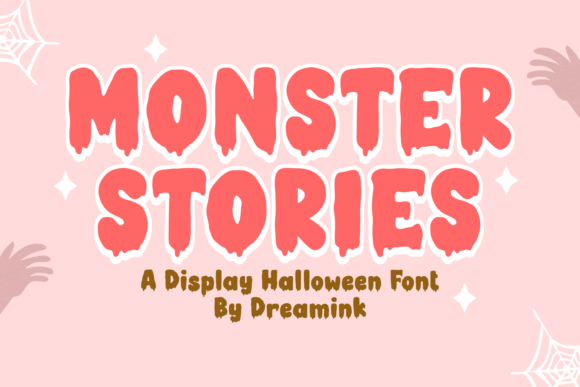
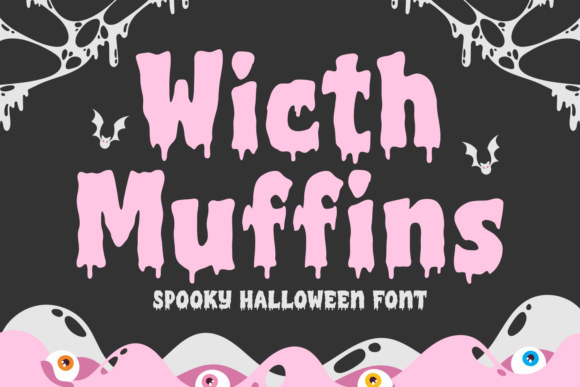
At first glance, the chunky, rounded letterforms of this display font might remind you of bakery signage or a children's book cover. Look closer, though, and the design reveals its darker personality. The letters drip—not in a gruesome way, but with a molten, candy-like quality that suggests cauldron bubbles and melted chocolate. There's a softness to the overall composition that keeps things approachable, yet the bold weight and distinctive character shapes ensure this typeface commands attention the moment it appears on screen or in print.
This balance between creepy and cute is genuinely difficult to achieve in font design. Many typefaces that attempt the Halloween aesthetic lean too far in one direction. They're either so saccharine they could work for a preschool birthday invitation, or so aggressively horror-themed that they'd feel out of place on anything short of a haunted house flyer. The Witch Muffins typeface threads that needle with remarkable precision, delivering a creative font that feels authentically seasonal without being one-dimensional.
Practical Applications Across Design Disciplines
The real test of any premium font isn't how it looks in a specimen sheet—it's how it performs across the varied demands of actual design work. Here's where this particular typeface shows genuine versatility.
Party Invitations and Event Branding stand out as the most obvious application, and for good reason. If you're designing for a Halloween bash, a themed birthday celebration, or a fall festival, this font delivers instant visual context. Your audience understands the event's personality before they read a single word of body copy. That kind of immediate communication is invaluable when you're working with limited space or competing for attention in a crowded inbox.
Packaging and Product Labels represent another strong use case, particularly for small businesses and independent creators. Imagine a seasonal candle line, a bakery's October special menu, or a craft brewery's limited-edition autumn ale. The font's whimsical-yet-eerie quality works beautifully for products that want to signal seasonal relevance without taking themselves too seriously. It pairs especially well with illustrated labels where the typography needs to complement rather than compete with artwork.
Social Media Graphics and Digital Content benefit enormously from typefaces with strong personality. In a feed where everything competes for scrolling attention, a distinctive display font can be the difference between engagement and invisibility. Content creators running themed October posts, marketers building Halloween campaign assets, or bloggers designing seasonal Pinterest graphics will find this font cuts through visual noise effectively.
Merchandise and Print-on-Demand Products offer perhaps the most lucrative opportunity. T-shirts, tote bags, mugs, stickers, and posters designed for the Halloween market represent a massive commercial category. A font like this one gives designers a way to create products that feel festive and fun without requiring custom illustration for every piece. A simple phrase rendered in this typeface can become a viable product on its own.
Making Smart Typography Decisions for Your Brand
Choosing a font for a project isn't just about aesthetics—it's a strategic decision that affects how your audience perceives your message. A display typeface like Witch Muffins Font by Dreamink 7ntypes works best when you understand its strengths and limitations.
First, consider readability at the sizes you'll actually use. Chunky, decorative fonts with dripping effects are designed for headlines, logos, and short bursts of text. They're not meant for body copy, and using them that way would compromise legibility. Pair this typeface with a clean sans serif or a simple serif font for supporting text. A straightforward option like a modern sans serif for captions and descriptions will let the display font do its job without creating visual chaos.
Second, think about your broader brand identity. If you're a business that operates year-round, using a heavily themed font for your primary branding would limit your flexibility. Instead, reserve it for seasonal campaigns, limited-edition product lines, or event-specific materials. This approach lets you capitalize on the font's personality during relevant periods while maintaining a consistent, professional presentation throughout the rest of your visual communication.
Third, test your font pairings before committing. Pull together a quick mockup of your intended layout—a social media post, a product label, a flyer—and evaluate how the typography works as a complete system. Does the display font overwhelm the supporting text? Is there enough contrast between the headline and body copy? Does the overall composition feel balanced? These practical checks save you from discovering problems after you've already invested time in production.
Licensing and Commercial Considerations
Anyone planning to use a font for commercial purposes needs to understand the licensing terms before starting a project. This applies whether you're a freelance designer creating work for clients, a small business owner developing your own marketing materials, or an entrepreneur building a product line.
Review the license included with your purchase carefully. Commercial font licenses typically outline what you can and cannot do with the typeface—whether it covers use in digital products, print materials, merchandise, embedded web fonts, or applications. Some licenses distinguish between personal and commercial use, while others offer a single comprehensive license. Understanding these terms upfront protects you legally and ensures your investment in a quality typeface delivers the value you expect.
For designers working with clients, documenting font licenses as part of your project deliverables is a professional practice that builds trust and prevents complications down the line. Keep records of where you purchased the font, what license you hold, and which projects use it.
Standing Out in a Crowded Design Landscape
The design world is saturated with generic options. Free font repositories overflow with poorly made Halloween typefaces that look fine at thumbnail size but fall apart when you examine the letter spacing, kerning, or consistency of the decorative elements. A well-crafted premium font from a foundry like Dreamink 7ntypes offers something different: attention to detail in every glyph, consistent quality across the full character set, and a design vision that holds together at any scale.
Whether you're a designer building a client's seasonal campaign, a small business owner creating your own Halloween marketing kit, or a crafter designing products for an autumn craft fair, investing in a typeface that genuinely communicates the right mood makes everything downstream easier. Your layouts come together faster. Your messaging feels more cohesive. Your audience connects with your content more intuitively.
That's ultimately what good typography does—it removes friction between your creative vision and your audience's experience. And when a font manages to be both distinctive and versatile, as this one does, it earns its place in your design toolkit not just for one project, but for every seasonal opportunity that comes your way.