Unleash Urban Energy: The Another Tag Font Story
There’s a specific feeling that hits you when you see genuine street art—a raw, unapologetic energy that commands attention. Capturing that same vibe in digital design used to be a struggle, often resulting in fonts that looked cartoonish or fake. Enter the Another Tag Font, a typeface that doesn’t just mimic graffiti; it embodies the quick, deliberate strokes of a marker or spray can. For designers and brand builders looking to inject a gritty, rebellious spirit into their work, this font offers a direct line to the heart of urban culture.
The Anatomy of Street-Wise Typography
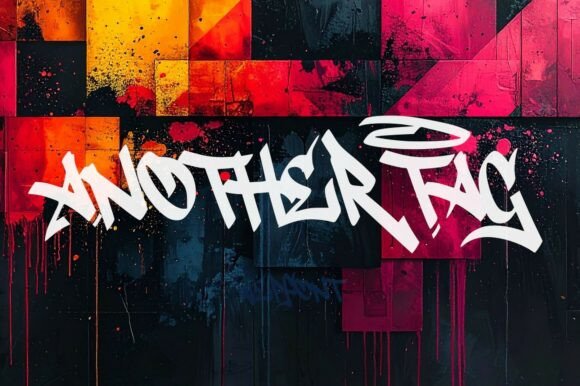
What makes this typeface stand out in a sea of creative fonts? It’s all in the construction. Another Tag features bold, angular letterforms with sharp edges that feel aggressive and expressive. Unlike standard sans serif or serif fonts that prioritize uniformity, this display font thrives on chaos. The characters often overlap or connect in unconventional ways, creating a sense of movement that static fonts simply cannot achieve. It captures the aesthetic of "getting up"—the quick, stylized tagging that defines the urban landscape.
When you look at the letterforms, you see the influence of marker tips and spray paint nozzles. The dynamic flourishes aren't just decoration; they are structural elements that give the typography its weight. This makes it an ideal choice for projects where readability takes a backseat to brand recognition and mood. It’s a premium font designed for headlines, logos, and display text where you need to make an immediate impact.
Real-World Applications: Where Grit Meets Design
Understanding the visual style is one thing; knowing how to apply it commercially is another. The versatility of Another Tag extends far beyond simple posters. It is a powerful tool for visual communication across various mediums.
For streetwear branding, this font is a natural fit. It aligns perfectly with the aesthetic of skate culture, hip-hop, and alternative fashion. Imagine this typeface on hang tags, woven labels, or the back of a hoodie—it instantly validates the brand's authenticity. Similarly, in packaging design, particularly for energy drinks, craft beers, or artisanal snacks targeting a younger demographic, Another Tag can break through the noise of sterile, corporate packaging.
In the digital realm, the applications are just as potent:
- Music and Entertainment: Perfect for album covers (especially punk, hip-hop, or alternative genres), event posters for underground gigs, or video game title screens.
- Social Media Graphics: Use it for Instagram Stories or YouTube thumbnails to stop the scroll. A bold tag font creates immediate intrigue.
- Website Design: While not suited for body text, it serves as a striking hero image font or for section headers on lifestyle blogs focused on urban culture.
- Merchandise: From tote bags to stickers, the font translates well to physical products because of its bold, high-contrast nature.
Mastering the Art of Font Pairing
One of the biggest mistakes creatives make with a graffiti-inspired typeface is using it for everything. Because Another Tag is so stylistic, it needs a partner to do the heavy lifting. This is where the concept of font pairing becomes critical.
Think of Another Tag as the lead singer of a band—it’s loud, charismatic, and demands the spotlight. It needs a rhythm section (your body text) that is steady and reliable. Pairing this font with a clean, geometric sans serif font is usually the best strategy. The simplicity of a sans serif provides a visual "breather" for the reader's eyes, allowing the aggressive style of the header font to shine without overwhelming the page.
For example, if you are designing a poster for a skate competition, use Another Tag for the event title, but switch to a clean sans serif for the date, time, and location. This contrast ensures that while the visual consistency remains high, the readability of the crucial information isn't sacrificed.
Strategic Branding and Audience Connection
Choosing a typeface is a strategic business decision, not just an artistic one. The fonts you select act as a shortcut to your audience's emotions. When a potential customer sees the Another Tag font, they don't just read words; they feel an attitude. It signals rebellion, creativity, and a break from the mundane.
For entrepreneurs and small business owners, this is incredibly valuable. If your brand identity is built on being edgy, modern, or counter-culture, using a standard corporate font will send mixed signals. Another Tag helps build a brand identity that feels cohesive and authentic. It tells your audience, "We understand your world."
However, this requires a nuanced approach. You must consider your target audience. If you are marketing luxury financial services, this is likely the wrong choice. But for a skate shop, a music festival, or a street art gallery, it is the perfect design asset. It bridges the gap between digital products and physical reality, maintaining that street-wise attitude whether viewed on a screen or printed on a flyer.
Practical Considerations for Professionals
Before integrating any creative font into your workflow, practical logistics matter. First, always review the included font styles. Does the family come with alternates or ligatures? These extra glyphs can help you customize the look so that your design doesn't look identical to everyone else using the same typeface.
Licensing is another non-negotiable aspect. Ensure you are looking at a commercial font license if you plan to use it for client work, merchandise, or products for sale. Many "free" graffiti fonts found online come with licensing baggage that can cause legal headaches later. Investing in a premium font ensures you have the legal right to use the work commercially, protecting your business and your clients.
Finally, test your typography across different sizes. Display fonts like Another Tag often have a "sweet spot" where they look best—usually at larger sizes where the details of the brush strokes are visible. If you shrink it down too small, the sharp edges and overlaps may blur together, hurting legibility.
By treating Another Tag not just as a file, but as a core component of your design assets, you can unlock a new level of engagement. It’s more than just letters; it’s a statement of intent, a visual representation of the energy that drives modern urban culture.