Kawaii Bubble Font: Designing with Dreamy, Soft Typography
There’s a particular feeling that comes with certain visual styles—a sense of warmth, innocence, and playful nostalgia. This is the world of “Cute Core,” and at its heart is typography that feels less like a tool and more like a character. The Kawaii Bubble font is a direct invitation into that ethereal space, offering designers and creators a way to inject pure, sugary-sweet personality into their work. It’s a display typeface that doesn’t just communicate words; it communicates a mood, evoking pastel clouds, floating stars, and the gentle whimsy of a dream.
More Than Just a Cute Face: The Visual Anatomy of Kawaii Bubble
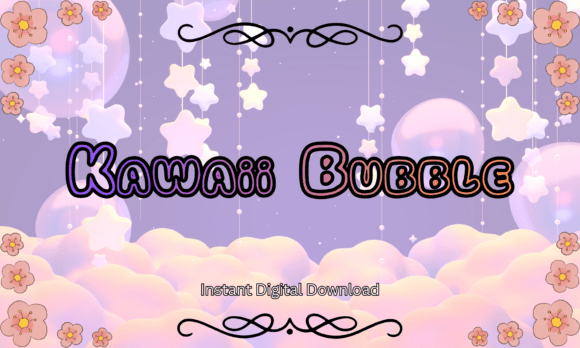
What sets this typeface apart in the crowded landscape of creative fonts? It begins with its physical form. The letterforms are ultra-soft and pillowy, with generous curves that feel inflated and huggable. This rounded structure is inherently friendly and approachable, immediately putting viewers at ease. The defining feature is its charming dual-tone outline, which creates a subtle, iridescent effect. Imagine a soft pink base with a slightly deeper or lighter accent line—it gives the letters a sense of depth and makes them appear to float off the page. This design detail is perfect for pairing with pastel gradients, sparkly textures, and starry backgrounds, allowing the font to seamlessly integrate into magical digital scenes. It’s a premium font that understands its purpose: to be the visual centerpiece of joyful, heartwarming projects.
Practical Magic: Where This Typeface Truly Shines
The true value of a display font like Kawaii Bubble is measured in its application. For small business owners, especially those in the children’s market, this font can become a cornerstone of brand identity. A candy shop, a boutique selling handmade baby clothes, or a party supply store could use it for logos, packaging, and signage to instantly convey a specific, adorable aesthetic. It’s a branding asset that tells customers exactly what to expect—something sweet, gentle, and meticulously crafted.
For content creators and “Mama Life” bloggers, its utility is vast. Think about designing enchanting birthday invitations, magical digital planners, or adorable social media graphics for Instagram stories and TikTok overlays. The font’s clear, bold shapes ensure readability even at smaller sizes or against busy backgrounds, making it a practical choice for everything from blog post titles to sticker designs for Cricut projects. In editorial design, it can be used for pull quotes or section headers in a children’s magazine, adding a burst of personality without overwhelming the body copy. Its versatility across digital and print makes it a valuable addition to any designer’s toolkit.
Building a Cohesive and Engaging Visual Language
Using a specialized font like Kawaii Bubble isn’t just about decoration; it’s a strategic choice for visual communication. When used consistently, it dramatically improves brand recognition. A follower scrolling through their feed will instantly recognize the soft, bubbly lettering as belonging to your brand, even before they read the content. This consistency builds trust and a professional presentation that sets you apart from competitors using generic system fonts.
However, its power is best harnessed with thoughtful pairing. As a bold display typeface, it’s not meant for long paragraphs of body text. The key is to pair it with a clean, highly readable sans serif font for descriptions, captions, or website copy. This creates a beautiful hierarchy: the Kawaii Bubble font draws the eye and establishes the mood, while the complementary font provides clear, accessible information. Always test your font pairings in context—on a mockup of a website header, a social media post, or a product label—to ensure the combination feels balanced and enhances, rather than hinders, readability.
Key Considerations for Your Creative Workflow
Before diving into a project, a few practical checks will ensure a smooth experience. First, review the included font styles. Does the typeface come with multiple weights or alternate characters? Understanding the full range of assets available allows for more dynamic and nuanced designs. Next, and most critically, is licensing. Ensure you have a commercial license if you plan to use the font for client work, products for sale, or monetized content. Reputable font providers make this clear, and respecting licensing agreements is fundamental to ethical design practice.
Finally, consider the project’s medium. The Kawaii Bubble font is designed for a digital-first world, so it will look stunning on screens. For print projects like posters or merchandise, always create a test print. Check that the delicate outlines and rounded edges reproduce crisply, and that the colors you’ve chosen maintain their intended soft, pastel quality on physical paper or fabric. This attention to detail is what separates a good design from a great one, ensuring your final product captures the full, dreamy imagination the font was built to inspire.