Solvane Font: Where Geometric Precision Meets Approachable Design
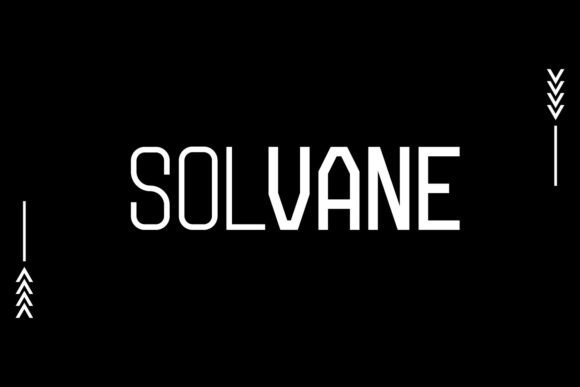
There's a particular challenge in design that doesn't get talked about enough: finding a typeface that feels both forward-thinking and trustworthy. Many geometric sans-serifs lean heavily into cold, technical precision, while others sacrifice that sharpness for friendliness. The Solvane Font sits in a compelling middle ground, offering a condensed, modern structure with softened rounded corners that deliver a futuristic aesthetic without feeling sterile or distant.
This isn't just another display font collecting digital dust in your library. Solvane was crafted with intention—its flat terminals create a clean, decisive finish that holds up beautifully in tight layouts, on screens, and in print. Whether you're building a brand from scratch or refreshing an existing visual identity, understanding how this typeface works can help you make smarter design decisions.
What Makes Solvane Visually Distinct
Typography is more than picking something that "looks cool." The visual personality of a font communicates volumes before anyone reads a single word. Solvane's condensed letterforms give it a sense of efficiency and modernity—think tech startups, contemporary editorial spreads, and sleek product packaging. The rounded corners soften what could otherwise feel rigid, making it approachable for audiences who might find ultra-sharp geometric fonts cold or impersonal.
Available in two essential weights—Regular and Bold—Solvane keeps things practical. The Regular weight works beautifully for body copy in modern interfaces, blog posts, and editorial layouts where you want sophistication without distraction. The Bold weight steps up for headlines, hero sections, and branding moments where you need type to command attention and drive impact.
This two-weight approach might seem limiting at first glance, but it's actually a strength. When you're working on a project that demands visual consistency across multiple touchpoints—from a website header to a social media graphic to a printed brochure—having fewer, more intentional choices often leads to stronger, more cohesive results. You spend less time agonizing over which of twelve weights to use and more time focusing on how the typography serves the overall design.
Practical Applications Across Creative Projects
The real test of any premium font isn't how it looks in a specimen sheet—it's how it performs in the wild. Here's where Solvane tends to shine:
Brand Identity and Logo Design: If you're developing a brand that needs to feel contemporary and confident, Solvane's geometric foundation gives logos a structured, memorable quality. The condensed proportions work especially well for wordmarks where horizontal space is limited—think app icons, favicon-sized logos, or signage where every millimeter counts.
Packaging Design: Product packaging demands fonts that remain legible at various sizes and across different materials. Solvane's clean geometry and flat terminals hold up well whether printed on a matte box, embossed on a label, or displayed on a digital storefront thumbnail. The friendly rounding prevents it from feeling too industrial for consumer-facing products.
Web Design and Digital Interfaces: Modern web design rewards typefaces that load cleanly and read well on screens. Solvane's sharp finish and balanced proportions make it a solid choice for navigation menus, button text, section headers, and hero text on landing pages. It pairs well with both minimalist layouts and more dynamic, content-rich designs.
Social Media Graphics: Standing out in a crowded feed requires type that's instantly readable at small sizes. Solvane's condensed structure means you can fit more text into Instagram stories, Pinterest pins, or LinkedIn graphics without sacrificing clarity. The Bold weight, in particular, creates scroll-stopping headlines that work across platforms.
Editorial and Print Layouts: Magazine spreads, annual reports, and print materials benefit from Solvane's editorial-friendly Regular weight. It brings a polished, contemporary feel to subheadings, pull quotes, and caption text without competing with body copy set in a complementary serif font.
Marketing Assets and Digital Products: From email headers to ebook covers to course materials, Solvane adapts well to the varied demands of marketing collateral. Its modern personality helps digital products feel current and professionally produced, which directly influences how audiences perceive value.
Posters, Invitations, and Merchandise: When you need type that makes a statement—event posters, wedding invitations with a contemporary twist, or branded merchandise—Solvane's Bold weight delivers the kind of high-impact presence that turns heads. The geometric precision gives even casual applications a polished edge.
Matching Typography to Your Project Goals
Choosing the right font style starts with understanding what you're actually trying to communicate. A fintech app and a boutique bakery have very different visual vocabularies, even if both want to feel modern and trustworthy.
Ask yourself: Does my project need to feel innovative and technical? Solvane's geometric structure answers that call. Does it also need warmth and accessibility? The rounded corners and friendly proportions handle that tension well. If your brand leans more playful or whimsical, you might consider pairing Solvane with a script or handwritten font for accent text—keeping the structured sans-serif for headers while a more expressive typeface handles quotes or callouts.
Font pairing is where many designers either elevate a project or let it fall flat. Solvane works beautifully alongside serif fonts for editorial layouts—imagine Solvane Bold for section headers with a classic serif handling body paragraphs. For tech-forward brands, pairing it with a monospaced typeface for code snippets or data labels creates a cohesive, systems-oriented feel.
Always test your pairings in context. Don't just look at two fonts side by side in a design tool—mock them up in an actual layout. Check how they interact at different sizes, on different backgrounds, and across different media. A pairing that looks elegant at 72pt on your monitor might feel cluttered at 14pt on a mobile screen.
Readability and Practical Considerations
Readability isn't just a nice-to-have—it's the foundation of effective visual communication. A beautiful font that people can't actually read defeats its own purpose. Solvane's designers clearly kept this in mind: the condensed structure maximizes information density without cramping letterforms, and the softened edges reduce visual friction, especially in longer passages.
That said, context matters enormously. At very small sizes on low-resolution screens, even the best condensed sans-serif can lose some legibility. For body text below 14px on mobile, you might want to test Solvane's Regular weight carefully or consider using it exclusively for headers and subheadings while choosing a wider, more open typeface for paragraph text.
One practical tip: always review the full character set of any font you're considering. Check that it includes the glyphs you actually need—numbers, punctuation, special characters, and any language-specific marks relevant to your audience. Nothing derails a project faster than discovering mid-production that your chosen typeface is missing a critical character.
Licensing and Working With Commercial Fonts
If you're using Solvane for client work, merchandise, or any commercial application, make sure you understand the licensing terms. Most premium fonts come with specific usage rights—desktop, web, app, and commercial licenses can vary significantly. Purchasing a font for personal use doesn't automatically grant you the right to embed it in a product you sell or use it in a client's branding.
This isn't just about legal compliance—it's professional practice. Clients and collaborators trust that the design assets you use are properly licensed. Taking the time to verify licensing details protects both your reputation and your budget.
Solvane represents a thoughtful approach to modern typography: geometric where it needs to be, approachable where it matters, and versatile enough to anchor everything from startup branding to editorial design. If your next project calls for a typeface that balances technical precision with genuine visual warmth, it's worth serious consideration.