Five Ornate Typefaces for Unforgettable Branding
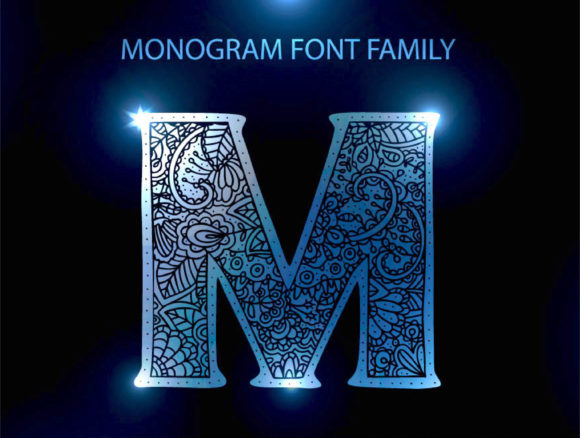
There is a specific moment in the design process where you realize that standard block letters simply won't cut it. You are working on a project that demands a sense of heritage, luxury, or intricate craftsmanship, and the sans serif fonts in your library feel too sterile. This is the exact scenario where the Monogram Font Family enters the conversation. It isn't just a set of letters; it is a collection of five extremely elegant and breathtakingly detailed typefaces designed to transform standard text into ornate art. For designers, small business owners, and creatives looking to inject a dose of sophistication into their work, this collection offers a visual language that speaks of uniqueness and high-end aesthetics.
The Art of the Odd and Ornate
What makes a typeface truly memorable? Often, it is the willingness to break away from the rigid grid systems that govern modern typography. The Monogram Font Family embraces a philosophy where each letter is treated as a standalone piece of art. The design style here is intentionally "odd" and creative in the best possible way. We are talking about intricate swashes, decorative ligatures, and detailed line work that you rarely see in standard commercial fonts.
Because the letters are so detailed, they function differently than your average serif font. In a standard body text setting, such detail might be overwhelming, but as a display font, it becomes a powerful focal point. Imagine a wedding invitation where the couple's initials are not just typed out but are rendered as elaborate crests. Or consider a high-end boutique logo where the brand name feels like a wax seal pressed into digital paper. This font family provides that level of depth. It allows you to pair letters flawlessly to create a cohesive monogram, or you can use the letters individually as decorative elements scattered throughout a layout.
Strategic Applications for Visual Impact
Understanding where to use such a specialized typeface is key to maximizing its value. You wouldn't use an ornate script font for body copy on a website, but you would absolutely use it to stop the scroll on social media or to elevate the perceived value of a product.
For branding and logo design, this family is a game-changer. If you are building a brand identity for a jewelry line, a bespoke tailor, or a luxury real estate firm, these fonts provide an immediate visual shorthand for quality. The intricate details suggest that the brand cares about craftsmanship.
When it comes to packaging design, the unboxing experience is everything. Using the Monogram Font Family on labels, tissue paper, or box lids adds a tactile feel even to digital mockups. It tells the customer that what is inside is special.
Consider these practical applications for your next project:
- Editorial Design: Use the ornate drop caps for the beginning of chapters in a magazine or book to set a sophisticated tone.
- Event Stationery: Create breathtaking invitations for galas, weddings, or fundraisers where the typography does the heavy lifting for the theme.
- Digital Products: If you sell planners, templates, or printable art, these fonts can serve as the hero element that makes your product feel premium.
- Merchandise: Think about tote bags, t-shirts, or mugs. A single, large ornate letter can be more stylish and sellable than a full phrase.
Bridging the Gap Between Readability and Style
One of the biggest challenges in using highly stylized typography is maintaining readability. However, the Monogram Font Family is crafted with versatility in mind. While the letters are detailed, they maintain a structural integrity that ensures they are recognizable. The key is to understand the hierarchy of your design.
For web design and blogs, use these fonts for headers or "hero" text only. Pair them with a clean, geometric sans serif font for your body text. This contrast not only makes the ornate font pop but also ensures that your content remains easy to read on screens of all sizes. This practice of font pairing is essential; the complexity of the monogram style needs the breathing room provided by a simpler typeface.
In marketing assets like posters or flyers, you have more room to play with scale. Here, you can make the font massive, allowing the audience to appreciate the "breathtakingly detailed" nature of the letterforms. When a potential customer sees a poster with a giant, intricate initial, it draws the eye in to look closer at the details, keeping them engaged with the material longer.
Selecting the Right Style for Your Vision
The collection includes five distinct styles, giving you a toolkit rather than a single option. When choosing which style to use, consider the emotional response you want to evoke.
Some styles within the family might lean more towards a vintage aesthetic, perfect for heritage brands or rustic wedding invitations. Others might have a more modern, sharp interpretation of ornate design, suitable for contemporary fashion or high-tech luxury goods.
- Audit the Mood: Look at the specific swirls and endings of the letters. Do they feel romantic and flowing, or structured and authoritative?
- Test the Pairs: Before finalizing a design, type out the specific initials or words you need. Because these are ornate, certain letter combinations might look different than you expect.
- Check the Weight: Ensure the font weight balances well with the other design assets you are using. A very heavy ornate font might overpower a delicate logo mark.
Remember that these fonts are design assets. Just as you would carefully select a stock photo or a color palette, treat your typography selection with the same level of scrutiny. The goal is visual consistency. If your brand voice is quirky and unique, lean into the "odd looking" creative styles. If your brand is traditional, stick to the more structured variations.
Commercial Licensing and Professional Polish
For entrepreneurs and small business owners, the practical side of design is just as important as the creative side. When investing in a premium font like the Monogram Font Family, it is crucial to understand the licensing. Most high-quality font families come with specific licenses for desktop use, web use, and sometimes app use.
Ensure that the license covers your intended use. If you are creating a logo for a client, you generally need a license that permits the creation of a commercial product. If you are using the font for social media graphics for your own business, a standard desktop license is usually sufficient. Always review the terms to ensure you are compliant, as this protects both you and the font creator.
Ultimately, the right typography is an investment in professional presentation. It signals to your audience that you pay attention to details. In a crowded market, the difference between a generic brand and a memorable one often lies in these subtle, ornate touches. By incorporating the Monogram Font Family into your creative toolkit, you aren't just choosing a font; you are choosing to present your work with a level of artistry that stands alone.