Flower Font: Adding Nature's Charm to Your Designs
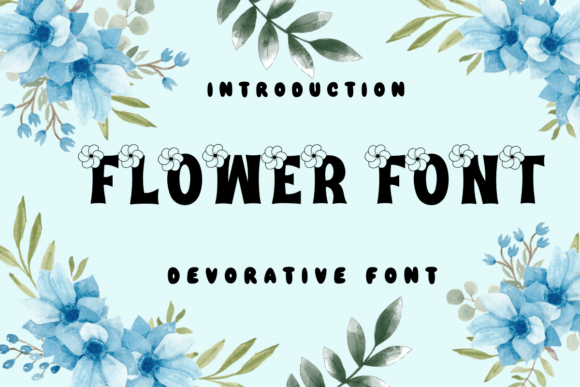
There’s a particular joy in finding a typeface that feels like it has a story to tell. The Flower Font is exactly that—a decorative typeface where each letter is more than just a shape; it’s a tiny garden. Imagine bold, confident letterforms with delicate floral vines weaving through the stems or petals blooming from the terminals. It’s this fusion of strength and softness, structure and organic flow, that gives the font its unique personality. It doesn’t just sit on a page; it grows there, bringing a sense of cheer, romance, or whimsical elegance to any project it touches.
Where Blooms Meet Boldness: The Font's Visual Appeal
At its heart, the Flower Font is a display typeface. This means it’s designed to make an impact, not to be the workhorse of body copy. Its uppercase characters are crafted with a clear, bold silhouette, ensuring the core letter remains readable even from a distance. The magic, however, lies in the floral embellishments. These aren’t random doodles; they are integrated thoughtfully. A curling vine might follow the curve of a 'C' or 'S', while a cluster of petals could accent the crossbar of an 'A' or 'H'. This creates a beautiful tension: the font feels both handcrafted and intentionally designed. The result is a typeface that communicates personality immediately, making it a powerful tool for projects that need to convey a specific mood—be it the fresh energy of spring, the romance of a wedding, or the rustic charm of a countryside brand.
Practical Applications: From Social Posts to Shopfronts
The true test of any creative asset is its versatility. The Flower Font excels in applications where visual warmth and a touch of artistry are paramount. Think beyond just "pretty letters." Its robust construction makes it surprisingly adaptable across both digital and physical mediums.
For branding and logo design, particularly for businesses in the floral, artisan, or lifestyle spaces, this font can form the cornerstone of a memorable identity. A boutique florist, a handmade cosmetics brand, or a wedding planning service could use it to instantly signal their aesthetic. It pairs beautifully with simpler sans serif or serif fonts for body text, creating a balanced hierarchy where the logo or headline does the talking while supporting text remains clean and legible.
In the realm of packaging design, the Flower Font shines. It can turn a simple label into a story. Imagine it on a jar of artisanal honey, a set of botanical soaps, or a box of garden-themed tea. The font adds perceived value and a handcrafted quality that can justify a premium position on the shelf. Its decorative nature also makes it a standout choice for event signage—think wedding welcome signs, table numbers, or birthday party banners—where it contributes directly to the event's theme and atmosphere.
For digital creators and marketers, this premium font is a secret weapon for engagement. It can transform a standard social media graphic into a thumb-stopping piece of content. Use it for Instagram story headers, Pinterest pin titles, or Facebook cover photos to create a cohesive and visually appealing feed. For bloggers, especially those in niches like gardening, DIY, home decor, or wellness, the Flower Font can add a distinctive touch to blog post titles, featured images, and email newsletter headers, helping to build a recognizable visual brand across platforms.
Pairing and Practicality: Using the Font Effectively
Like any decorative typeface, the Flower Font is most effective when used with intention. It’s not the font for your entire website paragraph text, but it is the font for the headline that makes someone want to read that paragraph. Here’s how to integrate it smoothly into your design workflow.
Choose the right context. Let the font’s personality guide its use. Its romantic, organic vibe is perfect for wedding stationery, floral shop logos, or spring sale posters. It might feel out of place on a tech startup’s homepage or a financial report. Understanding the project's goal is the first step to effective typography.
Master the art of font pairing. The bold, decorative nature of the Flower Font demands a quieter partner. Pair it with a clean, neutral sans serif font like Helvetica, Arial, or Open Sans for body text. This creates a pleasing contrast where the headline pops and the content remains easy to read. For a more classic or elegant feel, a simple serif font like Georgia or Times New Roman can also work well. The key is to let the Flower Font be the star of the show.
Always test for readability. While the floral details are charming, they can become visual noise at very small sizes. Use this font for larger applications: headings, logos, titles, and pull quotes. Test it at the size you intend to use it. If the letters start to merge or become unclear, scale it up. Its strength is in its display role, so play to that strength.
Check the included styles. Many premium fonts come with more than one file. The Flower Font might include a regular version with full floral elements and a cleaner, more subtle version with minimal decoration. Understanding what’s in your font package gives you more flexibility. You could use the heavily decorated version for a main logo and the simpler version for subheadings or product names to maintain coherence without overwhelming the design.
Understand the license. If you’re using this for commercial work—for a client, for merchandise, or for your business—the licensing is crucial. Ensure you have a license that covers commercial use. Most font designers offer clear terms, often differentiating between personal and commercial use. Respecting the license not only keeps you legal but also supports the artists who create these design assets.
Beyond the Aesthetic: Building Brand Recognition
Using a distinctive font like the Flower Font consistently can do more than just make things look nice. It becomes a part of your brand’s visual language. When customers repeatedly see that specific, floral-accented lettering associated with your brand—on your packaging, your social media, and your website—it builds brand recognition. It creates a cohesive brand identity that feels intentional and professional. This consistency helps your audience instantly recognize your content in a crowded feed and builds trust in your brand's attention to detail and aesthetic quality.
Ultimately, the Flower Font is more than just a set of letters. It’s a design tool that injects character, emotion, and a natural elegance into projects. It’s for the designer looking to add a unique touch, the small business owner building a brand story, and the crafter seeking to personalize a creation. By understanding its strengths and using it thoughtfully, you can let its botanical charm help your designs blossom in a way that feels both authentic and engaging.