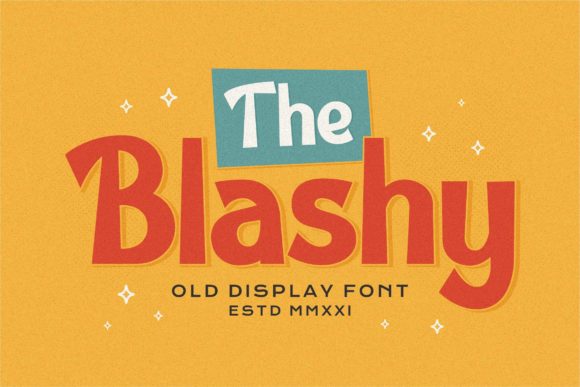
Blashy Font: Bold Display Typography for Creative Projects
Every designer knows that sinking feeling when a project looks flat, no matter how strong the concept is. You've nailed the color palette, the layout flows perfectly, and the content is compelling—yet something's missing. More often than not, that missing piece is typography with genuine personality. A font like The Blashy Font steps into that gap with confidence, offering the kind of bold, modern presence that transforms competent designs into memorable ones. It's a display typeface built for impact, the kind that makes people pause mid-scroll or pick up a product from a shelf.
What Makes a Display Font Work So Hard for You
Display fonts occupy a specific niche in the typography world. They're not meant for body text or lengthy paragraphs. Instead, they're engineered for headlines, titles, and any moment where you need a word or phrase to command attention. The Blashy Font excels here because it balances modern geometry with enough character to avoid feeling generic. The letterforms carry weight without becoming unwieldy, and the overall aesthetic sits comfortably between contemporary minimalism and expressive design.
Think about the last time a book cover made you pick it up. Or the packaging that stood out among a dozen competitors on a crowded shelf. Chances are, the typography played a massive role. A premium font with strong visual presence doesn't just look good—it communicates tone instantly. Bold display typography signals confidence, creativity, and intentionality. Those are qualities that resonate whether you're designing for a startup brand, a personal blog, or a client's product launch.
Practical Applications That Actually Matter
Let's talk specifics, because vague promises about fonts rarely help anyone make a decision. Here's where a typeface like The Blashy Font genuinely earns its place in your design toolkit:
Branding and Logo Design: A logo sets the visual foundation for everything else. Using a distinctive creative font for a wordmark or logotype gives a brand immediate personality. The challenge is finding something that feels unique without sacrificing legibility. Blashy's bold structure works well at various sizes, which matters when a logo appears on a business card, a website header, and a billboard. Pairing it with a clean sans serif font for supporting text creates a natural hierarchy that keeps brand identity cohesive.
Packaging Design: Product packaging demands typography that communicates quickly. Shoppers make split-second decisions, and the font on a label or box influences whether something feels premium, playful, artisanal, or mass-market. This display typeface brings enough weight to anchor a package design while its modern styling keeps things fresh. For small business owners developing their first product line, investing in a quality font rather than relying on overused free options can make packaging look legitimately professional.
Social Media Graphics: Platforms like Instagram and Pinterest are overwhelmingly visual. A bold typeface used for quote graphics, promotional posts, or story templates creates a recognizable aesthetic that followers start associating with your content. Consistency in typography across social media builds brand recognition faster than most people realize. When someone sees your post in a crowded feed, familiar typography acts as a visual anchor.
Print Materials and Editorial Design: Posters, magazine covers, book titles, event invitations, and flyers all benefit from display typography that carries emotional weight. For editorial layouts, a striking headline font paired with a readable serif or sans serif body font creates the kind of contrast that draws readers into a page. Wedding invitations, party announcements, and event posters particularly benefit from fonts that feel special without being illegible.
Web Design and Digital Products: Website headers, landing pages, and digital product covers need fonts that render cleanly on screens while still making an impression. Modern typography for web use requires attention to how letterforms display at different resolutions. A well-crafted display font maintains its character whether it's viewed on a desktop monitor or a mobile phone screen.
Merchandise and Marketing Assets: T-shirt designs, tote bags, stickers, and promotional materials thrive on bold typography. For entrepreneurs selling print-on-demand products, a striking font can be the entire design concept. Marketing materials—email headers, advertisement graphics, presentation slides—similarly benefit from typography that looks intentional and polished.
Making Smart Typography Decisions for Your Projects
Choosing the right font style isn't just about personal taste—it's about matching typography to project goals. A children's brand needs different visual energy than a luxury skincare line. Before selecting any typeface, clarify what emotion or message the project needs to communicate. Bold, geometric fonts tend to feel modern and authoritative. Softer, more rounded letterforms approach friendliness. Understanding these associations helps you make typography decisions that actually serve the work rather than just looking interesting.
Font pairing is where many designers struggle, even experienced ones. The general principle is contrast without conflict. A bold display font like Blashy works best when paired with something simpler and more understated for body text. A classic sans serif font or a clean serif font typically complements a strong display typeface without competing for attention. Test your pairings at actual sizes before committing. A combination that looks balanced in a design mockup might feel off when applied to real content with varying lengths and contexts.
Readability deserves genuine consideration, even with display typography. A headline font can be expressive and bold, but if viewers can't quickly parse the words, the design fails at its primary job. Look at how individual letterforms distinguish themselves. Are the characters clearly defined? Does the font maintain legibility at both large and moderately small sizes? Testing text in context—on a mockup poster, inside a social media template, or on a product label—reveals issues that viewing a font specimen page alone won't catch.
Building Visual Consistency Across Everything You Create
One of the most overlooked benefits of committing to a specific typeface for your brand or creative work is visual consistency. When every touchpoint—your website, your social profiles, your printed materials, your packaging—uses the same typography family, you create a cohesive visual language. People start recognizing your work before they even read the words. That's the power of consistent brand identity, and typography is the thread that ties it together.
Review what font styles and weights come included with any typeface you're considering. Multiple weights give you flexibility to create hierarchy within your designs without introducing additional fonts. If a display font family includes regular, bold, and perhaps a condensed or extended variant, you have more tools to work with while maintaining that unified look. Check whether the character set supports the languages and special characters your projects require. These practical details matter more than most people expect until they hit a limitation mid-project.
Commercial licensing is another consideration that deserves attention upfront. If you're creating work for clients, selling products featuring the typography, or using it in commercial contexts, verify that the font license covers your intended use. Premium fonts typically include clear licensing terms, which protects both the designer and the end user. Understanding these terms before starting a project prevents complications later, especially for merchandise, digital products, or client deliverables where usage rights become legally relevant.
The difference between a project that looks homemade and one that looks professional often comes down to thoughtful typography choices. A well-chosen typeface doesn't just decorate—it communicates, persuades, and builds recognition over time. Whether you're a freelance designer building client brands, an entrepreneur developing product packaging, or a content creator establishing a visual identity, the fonts you choose become part of how your audience perceives your work. Choosing intentionally, testing thoroughly, and applying consistently are what separate typography that merely exists from typography that actually works.