Cactus Font: The Bold Display Typeface for Modern Creators
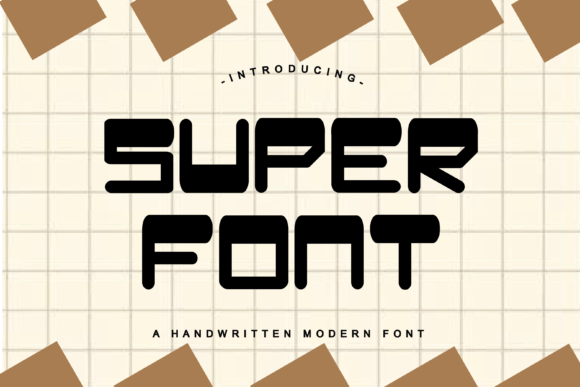
Imagine a font that feels like it just arrived from a sleek, minimalist future—one where edges are clean, geometry is intentional, and every letter commands attention. That’s the vibe of Cactus Font. It’s not just another typeface; it’s a design statement. With its squared, modern letterforms and playful yet structured personality, Cactus brings a distinctive energy to any project it touches. Whether you’re building a brand from scratch or refreshing your visual toolkit, this display font offers a fresh take on contemporary typography.
A Typeface Built for Visual Impact
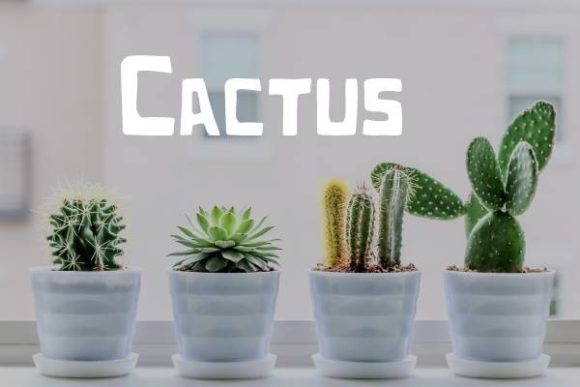
Cactus Font stands out because of its unique balance between geometric precision and creative flair. The squared letterforms give it a grounded, architectural feel, while subtle curves and intentional spacing add a touch of approachability. It’s the kind of typeface that works beautifully for headings, logos, and any context where you need text to be both readable and visually striking. Unlike more traditional serif or sans serif fonts, Cactus has a personality that feels intentional—modern, confident, and slightly futuristic.
What makes it particularly appealing for designers and creatives is its versatility within the display category. While it’s not meant for body text, its strength lies in setting the tone for a project. Think of it as the font equivalent of a bold accent wall in a room—it doesn’t dominate everything, but it certainly sets the mood. The squared structure makes it especially effective in digital contexts, where clarity at larger sizes is key, but it also holds up surprisingly well in print when used thoughtfully.
Practical Applications Across Creative Projects
One of the greatest strengths of Cactus Font is its adaptability across different media and project types. For branding, it can serve as the cornerstone of a visual identity, especially for brands that want to project innovation, tech-forward thinking, or creative confidence. A startup in the design, tech, or lifestyle space could use Cactus for its logo and primary headings, creating an immediate sense of modernity.
In logo design, the font’s squared letters lend themselves well to custom modifications. Designers can tweak letter spacing, adjust proportions, or combine Cactus with other elements to create a truly unique mark. Its geometric nature also makes it a strong candidate for packaging design, where shelf appeal is everything. Imagine a skincare line or a specialty food product with Cactus on the label—it immediately communicates a contemporary, design-conscious brand.
For social media graphics, Cactus can help your content stand out in crowded feeds. Its bold, clean lines are perfect for Instagram quotes, YouTube thumbnails, or Pinterest pins. The font’s personality ensures that text-based posts don’t just blend into the background. Similarly, in web design, Cactus can be used for hero sections, call-to-action buttons, or section headers to create visual hierarchy and guide user attention.
Beyond digital, Cactus shines in print materials like posters, event invitations, and editorial layouts. Its modern aesthetic pairs well with minimalist design approaches, making it ideal for gallery announcements, music festival posters, or magazine feature titles. For merchandise—think t-shirts, tote bags, or stickers—Cactus offers a cool, contemporary look that appeals to younger demographics and design-savvy audiences.
Enhancing Your Design Strategy with the Right Font
Choosing a font like Cactus isn’t just about aesthetics—it’s a strategic decision that impacts how your audience perceives your work. Visual consistency is easier to achieve when you select a typeface that aligns with your project’s goals. If your brand or design project aims for a modern, innovative feel, Cactus provides that foundation. Its consistency across different weights and styles (if available) helps maintain a cohesive look across platforms.
Brand recognition grows when typography is memorable. A distinctive font like Cactus can become part of your visual signature, helping audiences instantly recognize your content. Think of how certain brands are associated with specific typefaces—the same principle applies here. By using Cactus consistently, you create a visual shorthand for your brand’s personality.
Readability is always a consideration, even with display fonts. While Cactus is designed for impact rather than long-form reading, its squared structure actually aids legibility at larger sizes. The clear letterforms ensure that words are easily parsed, which is crucial for logos, headings, and short text blocks. However, it’s wise to test the font in context—view it on different devices, print it out, and ensure it works at the sizes you plan to use.
Pairing Cactus with Other Typography
Every great design font needs a partner. Cactus pairs exceptionally well with simpler, more neutral typefaces for body text or secondary information. A clean sans serif font works beautifully for paragraphs, descriptions, or supporting copy, allowing Cactus to take center stage without overwhelming the design. For a more dynamic contrast, consider pairing it with a subtle script or handwritten font for accent text—just use these sparingly to maintain readability.
When testing font pairings, pay attention to visual weight and x-height. You want the fonts to complement each other, not compete. If Cactus is used for headings, choose a body font with similar proportions or one that provides a clear visual hierarchy. Tools like font pairing generators or design software previews can help you experiment before committing to a final combination.
Also, consider the context of your project. For a tech startup’s website, pairing Cactus with a geometric sans serif reinforces the modern theme. For a creative agency’s print materials, mixing Cactus with a elegant serif could create an interesting tension between contemporary and classic. The goal is to create harmony that serves the project’s overall message.
Considering Licensing and File Formats
Before integrating any premium font into your workflow, it’s essential to understand the licensing terms. Most commercial fonts, including Cactus, come with specific licenses that dictate how they can be used—whether for personal projects, client work, merchandise, or digital products. Always review the license to ensure it covers your intended use, especially if you’re creating assets for resale or broad distribution.
Check what file formats are included with your purchase. Typically, you’ll find OpenType (OTF) or TrueType (TTF) files, which are compatible with most design software. Some fonts may also include web font formats like WOFF or WOFF2 for use on websites. Having multiple formats ensures flexibility across different applications.
Finally, remember that a great font is an investment in your creative toolkit. It’s not just about the upfront cost but about the value it brings to your projects over time. A well-chosen typeface like Cactus can elevate your work, streamline your design process, and help you communicate more effectively with your audience.
Whether you’re crafting a new brand identity, designing a standout poster, or creating engaging social content, Cactus Font offers a distinctive blend of modern geometry and creative energy. Its squared, playful letterforms make it a versatile tool for anyone looking to add a contemporary edge to their visual projects. By understanding its strengths and pairing it thoughtfully, you can unlock its full potential and create designs that truly resonate.