Scary Face Font: A Pumpkin-Powered Type for Halloween Projects
There's a specific kind of magic in the air when October rolls around. As a designer, you can feel it in the briefs that land in your inbox—a sudden, collective craving for all things spooky, cozy, and cleverly creepy. But let's be honest: after a while, the same tired cobweb fonts and jagged, blood-dripping typefaces start to feel a bit stale. You want something that captures the fun, playful spirit of the season, something that feels more like a mischievous jack-o'-lantern than a horror movie poster. That's where a well-crafted thematic font can become your secret weapon, transforming a good design into a memorable one.
The Allure of a Thematic Dingbats Font
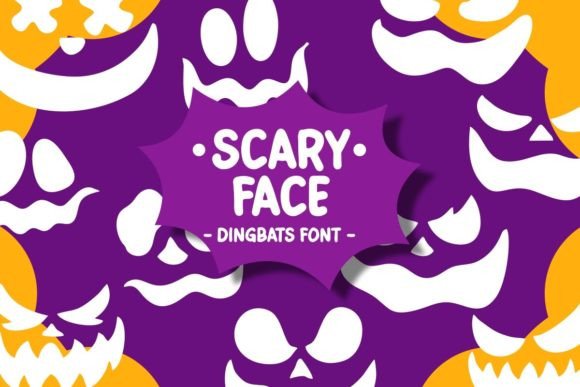
When we talk about a font like the Scary Face Font, we're not talking about a standard serif or sans serif workhorse. This is a dingbats font—a typeface where each letter key on your keyboard is mapped to a unique graphic, in this case, a charmingly spooky pumpkin face. Think of it as a curated library of design assets living right in your font menu. Instead of hunting for the perfect vector illustration, you simply type. This approach is incredibly efficient for packaging design, where you might need a quick decorative element, or for creating a cohesive set of social media graphics where consistency is key.
The visual appeal lies in its personality. It’s not just scary; it’s fun-scary. The pumpkins are likely designed with a variety of expressions—some grinning, some surprised, some with classic triangle eyes. This variety allows you to tell a micro-story with your typography. A winking pumpkin on a bakery's Halloween menu feels welcoming, while a more sinister, shadowy face might be perfect for a haunted attraction's logo design. The font acts as a direct line to a specific mood, which is a powerful tool for brand identity during seasonal campaigns.
Putting Pumpkin Faces to Work: Practical Applications
So, how do you move from "that's a cool font" to actually using it effectively in client work or your own projects? The key is to see it as a component, not the entire solution. Here’s where a creative font like this truly shines:
- Event Branding & Invitations: For a Halloween party, a corporate fall festival, or a community trick-or-treat event, using the pumpkin dingbats as decorative borders, bullet points, or standalone icons on invitations and posters creates instant thematic recognition. It saves you from overused clipart and gives the event a custom, designed feel.
- Merchandise & Product Packaging: Imagine a craft brewery's limited-edition pumpkin ale. The label could use a standard script font for the name and the Scary Face Font to create a repeating pattern of subtle pumpkin faces on the neck label or six-pack carrier. For small businesses selling Halloween-themed soaps, candles, or apparel, this font can be used to create unique hang tags or sleeve prints that feel bespoke.
- Digital Presence & Content: A blog about Halloween crafts can use the dingbats as custom list icons for a "Top 10 Pumpkin Carving Ideas" post. An e-commerce site can use a single, perfectly placed pumpkin face as a "Add to Cart" button icon during October, adding a touch of whimsy that enhances the user experience. For social media graphics, the characters can serve as profile picture frames, post dividers, or interactive elements in stories.
The goal is visual consistency. By using the same set of pumpkin characters across your website, your printed flyers, and your Instagram posts, you create a unified seasonal brand language that your audience will start to associate with your autumnal offerings. This is a cornerstone of effective brand recognition.
Pairing and Professionalism: Making It Work for You
A display font like Scary Face is all personality, which means it needs a partner that can do the heavy lifting. The most common mistake with thematic fonts is using them for body copy. Readability plummets. Instead, follow this practical approach:
- Anchor it with a Neutral Typeface: Pair your pumpkin dingbats with a clean, highly readable modern typography choice. A simple sans serif font like Montserrat or Lato for body text provides a calm, professional counterbalance. For a more traditional or cozy feel, a serif font like Lora or Playfair Display can work beautifully. The contrast is what makes the design dynamic.
- Test Your Font Pairings Ruthlessly: Don't just look at them side-by-side. Create a mock-up of your actual project—a sample social media post, a draft of your flyer layout. See how the dingbats interact with the weight and spacing of your primary typeface. Does it feel balanced, or is it fighting for attention? The Scary Face Font should accent, not overwhelm.
- Consider the Included Styles: When you acquire a premium font like this, check the full character map and any additional font files. Some dingbat fonts come with variations—maybe a solid fill, an outline, or a slightly different expression. Knowing exactly what's in your toolkit gives you more creative flexibility.
Finally, a word on logistics. If you're using this for a client project or your own business, ensure you have the correct commercial font license. Reputable foundries and marketplaces make this clear. This isn't just about legality; it's about professionalism and respecting the craft of the type designer. Using properly licensed design assets is a mark of a serious creative professional.
In the end, a font like this is a reminder that design, especially for seasonal campaigns, can be joyful. It’s a tool to inject a specific, delightful energy into your work quickly and effectively. By using it strategically—paired wisely, applied thoughtfully, and licensed correctly—you can create Halloween projects that feel both professionally polished and infectiously fun. Now, go make something delightfully spooky.