Nambya Font: A Serif Typeface with Vintage Edge
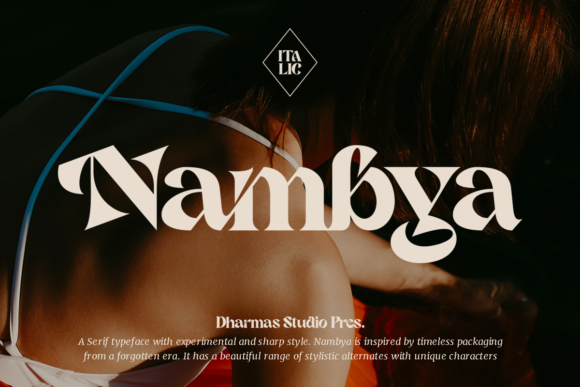
You know that feeling when you stumble upon an old product label at a flea market—the kind with hand-drawn lettering that feels both elegant and slightly rebellious? That's the energy Nambya Font brings to the table. This serif typeface doesn't whisper; it speaks with confidence, borrowing visual cues from packaging design traditions that have largely faded from mainstream use. But rather than feeling dated, Nambya channels that aesthetic into something sharp, experimental, and surprisingly versatile.
What Makes Nambya Stand Out in a Crowded Font Market
Most serif fonts fall into predictable categories: classic and bookish, modern and geometric, or decorative and ornate. Nambya sidesteps all three. Its letterforms carry the weight and structure you'd expect from a traditional serif, but the edges feel deliberate—almost sculpted. There's an intentionality to the way strokes terminate, a subtle tension between thick and thin that gives headlines real visual punch.
What truly sets this typeface apart is its collection of stylistic alternates. These aren't afterthoughts or minor variations. Each alternate character feels like it was designed as a genuine alternative, giving you creative freedom to customize headlines, logos, and display text in ways that feel cohesive rather than forced. For designers who want their typography to carry personality without sacrificing legibility, this is a meaningful feature.
Where Nambya Font Actually Works in Real Projects
Let's talk practical applications, because a beautiful font only matters if you can actually use it effectively.
Branding and Logo Design: If you're building a brand identity for something artisanal, boutique, or heritage-inspired—think craft distilleries, independent bookshops, specialty coffee roasters, or handmade cosmetics—Nambya's character aligns beautifully. The sharp serifs and vintage undertones communicate craftsmanship and attention to detail without looking stuffy. Pair it with a clean sans serif font for body text, and you've got a visual system that feels both distinctive and professional.
Packaging Design: This is where Nambya truly shines. Its DNA is rooted in packaging traditions, so using it on product labels, boxes, and wrapping feels almost inevitable. Whether you're designing for a small-batch food brand, a premium candle line, or a skincare product, the typeface lends an air of established quality—even if the brand launched last month.
Social Media Graphics: Bold display fonts perform exceptionally well on platforms like Instagram, Pinterest, and TikTok where scroll-stopping power matters. Nambya's sharp, distinctive letterforms create instant visual hierarchy in quote graphics, announcement posts, and promotional banners. The stylistic alternates let you keep things fresh across a content calendar without switching fonts constantly.
Editorial and Print Design: Magazine covers, book titles, event posters, restaurant menus, wine labels, wedding invitations—anywhere you need a headline that commands attention without resorting to novelty. The font carries enough gravitas for formal applications while retaining enough edge to feel contemporary.
Web Design and Digital Products: Used sparingly at larger sizes, Nambya can anchor a website's visual identity. Think hero sections, section headers, and callout text. It pairs particularly well with geometric sans serif fonts for body copy, creating a contrast that guides the reader's eye naturally through a page layout.
Matching Typography to Your Actual Goals
Here's something worth considering before downloading any creative font: what job does the typography need to do in your specific context?
A premium font like Nambya works brilliantly when your project needs to convey character and distinction. If you're designing a poster for a jazz festival, a label for artisanal hot sauce, or a brand identity for a vintage-inspired clothing line, the font's personality supports those goals directly. It tells your audience something about the product or experience before they read a single word of copy.
On the other hand, if you need a typeface for long-form body text, dense data tables, or user interface elements, Nambya isn't the right choice—and that's perfectly fine. Display fonts serve a specific purpose. Understanding where they fit within a broader typographic system is what separates thoughtful design from font enthusiasm.
Think of your typography like a cast of characters in a play. Nambya might be your lead actor—commanding, expressive, memorable. But every lead needs supporting roles: a reliable sans serif for body text, maybe a script or handwritten font for accent moments, and a clean utility font for functional elements like captions and metadata.
Font Pairing Strategies That Actually Work
Pairing fonts is part intuition, part method. With Nambya, you're working with a serif that has strong visual personality, so your pairing choices matter.
For maximum contrast: Combine Nambya with a geometric sans serif like Montserrat, Futura, or Poppins. The clean, circular letterforms of these fonts create a satisfying visual counterbalance to Nambya's sharp serifs and experimental edges. This combination works well for brand identity systems, editorial layouts, and web design.
For a cohesive vintage feel: Pair Nambya with a condensed sans serif or a structured grotesque font. This keeps the aesthetic consistent without creating visual monotony. Think packaging design or poster layouts where everything needs to feel like it belongs to the same era.
For playful contrast: If your brand or project allows for more personality, try combining Nambya with a casual script font or a handwritten typeface. This works particularly well for social media graphics, event invitations, and lifestyle branding where warmth and approachability matter.
The key principle: test your pairings in context. Don't just set two fonts side by side in a font preview tool. Drop them into an actual layout—your website mockup, your social media template, your packaging concept—and evaluate how they work together at the sizes and in the compositions you'll actually use.
Practical Considerations Before You Commit
A few things worth reviewing before integrating Nambya into your design assets library:
Check the included styles. Does the font family include multiple weights, italic styles, or extended character sets? Understanding the full scope of what's included helps you plan your typographic system more effectively and avoids mid-project surprises.
Review the alternates carefully. Since stylistic alternates are a major feature of this typeface, spend time exploring them. Open the glyphs panel in your design software and see what's available. Some alternates might be perfect for specific letters in your brand name or headline, while others might not fit your aesthetic. Knowing what you have to work with matters.
Verify commercial licensing. If you're using Nambya for client work, merchandise, products for sale, or any commercial application, make sure the license covers your intended use. Most premium font licenses distinguish between personal and commercial use, and some have specific terms for embedding in digital products or applications. A quick license review now prevents headaches later.
Test readability at your target sizes. Display fonts are designed for larger text, but "large" varies across contexts. A headline on a business card is a different size than a hero banner on a website. Test Nambya at the actual pixel or point sizes you'll use to ensure the sharp, experimental details read clearly rather than becoming visual noise.
Consider your audience's expectations. A serif typeface with vintage-inspired packaging roots communicates specific things. For a heritage brand, an upscale restaurant, or a boutique product line, that communication is exactly right. For a tech startup or a children's educational platform, it might send mixed signals. Typography is visual communication—make sure the message aligns with who you're speaking to.
Building a Stronger Visual Identity with Intentional Typography
Every design choice you make either reinforces or dilutes your brand's visual consistency. Typography is one of the most powerful tools in that equation because it appears everywhere—in your logo, on your website, across your social media, on your packaging, and in your printed materials. When you choose a typeface like Nambya and use it deliberately and consistently, it becomes part of how people recognize and remember your brand.
The goal isn't to use the same font everywhere at the same size. It's to create a typographic hierarchy that feels unified. Nambya might handle your primary headlines and display text. A complementary sans serif covers subheadings and body copy. Together, they create a system that's flexible enough for diverse applications—blog posts, email campaigns, product labels, social media templates—while maintaining a coherent visual thread.
That consistency builds recognition over time. Your audience starts associating that sharp, vintage-tinged serif with your brand before they even read the words. That's the real power of choosing typography with intention rather than defaulting to whatever's trending this week.
Nambya Font isn't trying to be everything to everyone. It's a focused, characterful serif typeface designed for projects that need visual distinction and a nod to design traditions worth remembering. Used thoughtfully, it's the kind of typographic choice that elevates a project from competent to genuinely memorable.