Gather of Good Font: A Handwritten Touch with a Playful Spirit
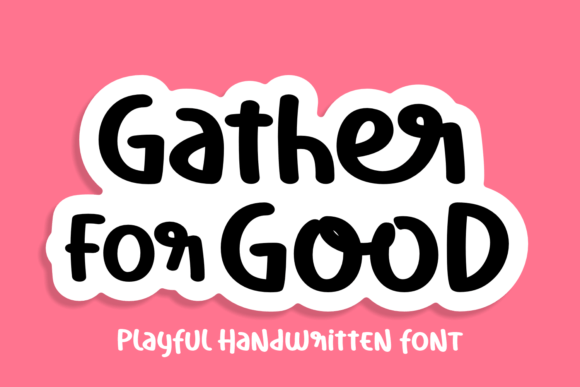
There’s something undeniably charming about a font that looks like it was written by a real hand. It carries personality, warmth, and a sense of authenticity that crisp digital typefaces sometimes lack. That’s exactly the feeling evoked by Gather of Good Font, a playful handwritten typeface designed to inject a little magic and wonder into creative projects. Whether you’re crafting a brand identity, designing social media content, or illustrating a children’s book, this font offers a versatile and visually appealing solution that feels both personal and professional.
A Typeface That Balances Whimsy and Function
What sets this font apart is its careful balance between playful expressiveness and practical usability. The letterforms have a natural, flowing rhythm that mimics genuine handwriting without sacrificing clarity. Each character includes subtle variations in stroke weight and baseline alignment, giving text a lively, organic appearance. This isn’t a rigid script; it’s a display font that feels alive, making it ideal for projects where you want to convey approachability, creativity, or a touch of nostalgia.
From a design perspective, it functions beautifully as a handwritten font for headlines, logos, and short-form text. Its legibility remains strong even at smaller sizes, which is a common challenge with script typefaces. The included character set often includes alternates, ligatures, and stylistic variations, allowing designers to customize the look and feel to match specific project needs. This flexibility makes it more than just a decorative asset—it becomes a tool for building visual consistency across multiple applications.
Practical Applications Across Creative and Commercial Projects
One of the greatest strengths of a font like this is its adaptability. It’s not limited to one niche or industry. Instead, it serves as a creative font that can elevate a wide range of projects:
- Branding and Logo Design: For small businesses, startups, or personal brands, a handwritten font can convey authenticity and friendliness. It works particularly well for bakeries, boutiques, wellness brands, or any business that wants to emphasize a human touch in its brand identity.
- Packaging Design: On product labels, boxes, or tags, this font adds a handcrafted quality that appeals to consumers looking for artisanal or handmade goods. It pairs well with clean sans serif fonts for body text, creating a balanced and readable layout.
- Social Media Graphics: In a crowded digital space, a distinctive font helps content stand out. Use it for quote graphics, promotional announcements, or Instagram stories to create a cohesive and recognizable visual style.
- Websites and Blogs: While it’s not ideal for long paragraphs, it shines in website headers, section titles, and call-to-action buttons. For bloggers, it can add personality to featured images or sidebar elements without overwhelming the reader.
- Print Materials: From wedding invitations to event posters, the font brings elegance and warmth to printed designs. Its flowing style is perfect for formal occasions with a relaxed vibe.
- Merchandise and Digital Products: Whether you’re designing T-shirt graphics, digital planners, or printable wall art, this typeface adds a unique, hand-lettered feel that resonates with audiences.
By incorporating this font into your design toolkit, you’re not just choosing a pretty typeface—you’re investing in a premium font that can help strengthen visual communication across touchpoints.
Enhancing Visual Consistency and Audience Engagement
Typography plays a crucial role in how audiences perceive and interact with your content. A well-chosen font contributes to visual consistency, which in turn builds brand recognition. When people see the same typeface used repeatedly across your website, social media, and marketing materials, it creates a cohesive brand experience that feels intentional and trustworthy.
This particular font excels at fostering that consistency because of its distinctive yet versatile character. It’s recognizable without being distracting, and its friendly demeanor can make audiences feel more connected to your message. In marketing terms, this translates to higher engagement—people are more likely to pause, read, and respond to content that feels approachable and genuine.
For example, a small business owner might use this font for their logo, then carry it through to thank-you cards, email headers, and product tags. A content creator could apply it to YouTube thumbnails, podcast cover art, and blog post titles. Each use reinforces the brand’s personality, making the overall presentation more professional and memorable.
Tips for Pairing and Implementation
While Gather of Good Font is visually striking on its own, its effectiveness often depends on how it’s paired with other typefaces. A common and successful approach is to combine it with a clean, neutral serif or sans serif font for body text. This contrast ensures readability while allowing the handwritten font to shine in headlines or accents.
When testing font pairings, consider the following:
- Contrast in Style: Pair a playful script with a straightforward geometric sans serif. This creates visual interest without competing for attention.
- Hierarchy in Layout: Use the handwritten font for primary headings or key phrases, and reserve the secondary font for longer text blocks. This guides the reader’s eye and improves overall readability.
- Consistency in Application: Stick to one or two font families across a project to maintain a unified look. Overusing different typefaces can make designs feel cluttered and unprofessional.
It’s also wise to review the font’s included styles before starting a project. Many premium fonts offer multiple weights, alternates, or stylistic sets that can enhance your designs. Experiment with these options in a design program to see how they affect the overall tone.
Licensing and Commercial Use Considerations
For designers and business owners, understanding font licensing is essential. Most commercial fonts come with specific terms that dictate how they can be used—whether for personal projects, client work, or products for sale. Before incorporating any font into a commercial project, review the license agreement to ensure compliance.
Fonts like this one are typically available through design marketplaces or foundries that offer clear licensing options. Some may include a desktop license for print and digital designs, while others offer web font licenses for online use. If you plan to use the font on merchandise, digital products, or in branding for clients, verify that your license covers those applications. This step protects you legally and ensures your designs remain professional and above board.
Choosing the right font is more than an aesthetic decision—it’s a strategic one that influences how your audience perceives your brand. With its blend of whimsy and functionality, this handwritten typeface offers a valuable tool for anyone looking to add a touch of magic to their work. Whether you’re a seasoned designer or a creative hobbyist, exploring its potential could open new doors for visual storytelling and audience connection.