Bluebery Font: A Sweet Script for Creative Projects
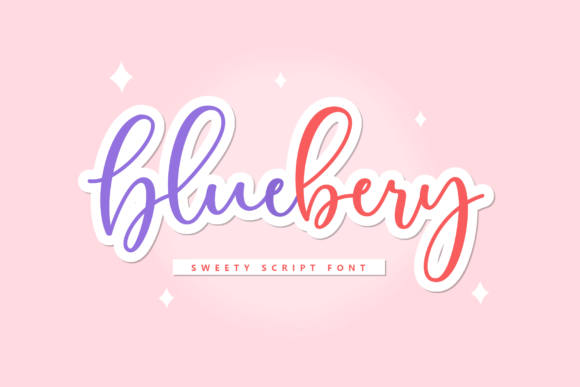
There’s a moment in every design project when the typography either clicks into place or feels slightly off. You might have a beautiful color palette, a striking image, and a clear message, but if the lettering doesn’t match the mood, the whole composition can fall flat. That’s where a typeface like Bluebery Font enters the conversation—a sweet script with a unique shape and medium thickness that offers both charm and versatility. It’s the kind of font that feels personal without being overly casual, making it a useful addition to a designer’s toolkit for a range of creative work.
Understanding the Visual Personality of Bluebery
Bluebery isn’t just another script font. Its character comes from a blend of flowing, connected strokes and a slightly rounded form that gives it a friendly, approachable vibe. The medium thickness ensures it remains legible even at smaller sizes, which is a practical consideration for projects where text needs to be read clearly, not just admired from a distance. Unlike some overly decorative scripts, Bluebery maintains a balanced rhythm—it’s expressive but not chaotic, playful but still professional. This makes it suitable for designs that need a touch of warmth without sacrificing clarity.
When you examine the letterforms, you’ll notice subtle details that set it apart. The terminals have a soft finish, and the connections between letters feel natural, almost like handwriting. This organic quality can help designs feel more authentic and human, which is especially valuable in branding and marketing where connecting with an audience on a personal level matters. It’s a creative font that bridges the gap between casual script and polished display type, making it adaptable for various contexts.
Practical Applications Across Design Projects
Where does a font like Bluebery truly shine? Its versatility means it can be applied across multiple mediums, each time bringing a consistent yet tailored feel. Let’s explore some real-world scenarios where this typeface can add value.
For Branding and Logo Design: If you’re developing a brand identity for a boutique bakery, a floral studio, or a lifestyle blog, Bluebery can serve as the primary or secondary font. Its script style lends itself well to logos that aim to feel artisanal, cozy, or whimsical. Pair it with a clean sans serif for body text to create a balanced hierarchy that’s both eye-catching and easy to read. Remember, a logo sets the tone for all other brand materials, so choosing a font that reflects the brand’s personality is crucial.
Packaging and Product Labels: Imagine Bluebery on a jam jar label, a candle box, or a skincare product. Its handwritten aesthetic suggests care and craftsmanship, which can enhance the perceived value of a product. Just be mindful of size and contrast—ensure the font is large enough to be read on a shelf and that there’s sufficient contrast between the text and the background.
Print Materials and Invitations: From birthday cards to wedding invitations, Bluebery adds a personal, celebratory touch. Its flowing style works beautifully for headings, names, or short phrases that need to stand out. For longer text, consider using a complementary serif or sans serif to maintain readability.
Digital Spaces: Websites, Blogs, and Social Media: In the digital realm, Bluebery can be used for website headers, blog post titles, or social media graphics. It’s particularly effective for platforms like Instagram or Pinterest, where visual appeal drives engagement. Use it to highlight key messages in promotional posts or to create cohesive templates for stories and reels. However, for body text on websites, stick to web-safe fonts to ensure fast loading times and accessibility.
Enhancing Your Design Strategy with the Right Typeface
Choosing a font isn’t just about aesthetics—it’s a strategic decision that impacts how your message is received. A premium font like Bluebery can contribute to several key aspects of your design and branding efforts.
Visual Consistency: Using a consistent typeface across all materials helps build a recognizable brand identity. When Bluebery is used thoughtfully in logos, packaging, and social media, it creates a cohesive look that audiences begin to associate with your brand. This consistency builds trust and professionalism.
Audience Engagement: Fonts carry emotional weight. A script font like Bluebery can evoke feelings of warmth, creativity, and approachability. For businesses targeting a demographic that values authenticity—such as millennials and Gen Z—this can be a powerful tool to foster connection and engagement.
Professional Presentation: While Bluebery is friendly, its design is refined enough to avoid looking amateurish. This balance is essential for maintaining a professional image, especially for small businesses and entrepreneurs who need to compete with larger brands. It shows attention to detail and care in presentation.
Readability Considerations: Despite its script style, Bluebery’s medium thickness and clear letterforms make it more readable than many other handwritten fonts. Still, it’s wise to test it at the intended size and in the context of your design. Avoid using it for long paragraphs of text, and always ensure there’s enough spacing between letters and lines to enhance legibility.
Tips for Integrating Bluebery into Your Workflow
If you’re considering adding Bluebery to your font library, here are some practical tips to get the most out of it.
Font Pairing: Bluebery pairs well with neutral, simple typefaces. A classic serif like Georgia or a modern sans serif like Montserrat can provide a clean counterpoint, allowing Bluebery to stand out without overwhelming the design. Experiment with different combinations to see what works best for your project’s tone.
Review the Included Styles: Check if the font package includes multiple weights or styles, such as bold, light, or alternate characters. These variations can add flexibility, allowing you to use Bluebery in different contexts while maintaining a unified look.
Licensing for Commercial Use: If you plan to use Bluebery in commercial projects—such as client work, merchandise, or digital products—ensure you have the appropriate license. Many premium fonts offer different licensing options, so read the terms carefully to avoid legal issues down the line.
Test Across Applications: Before finalizing a design, test how Bluebery looks in various applications. Print a sample, view it on different screens, and check how it renders in both color and black-and-white. This helps you catch any issues early and ensures the font performs well in all intended uses.
Ultimately, Bluebery is more than just a decorative script—it’s a versatile tool that can enhance the visual storytelling of your projects. Whether you’re designing a logo, crafting social media content, or creating print materials, its sweet, approachable style offers a blend of personality and practicality that’s hard to find in many display fonts. By understanding its strengths and applying it thoughtfully, you can create designs that not only look beautiful but also communicate your message effectively.